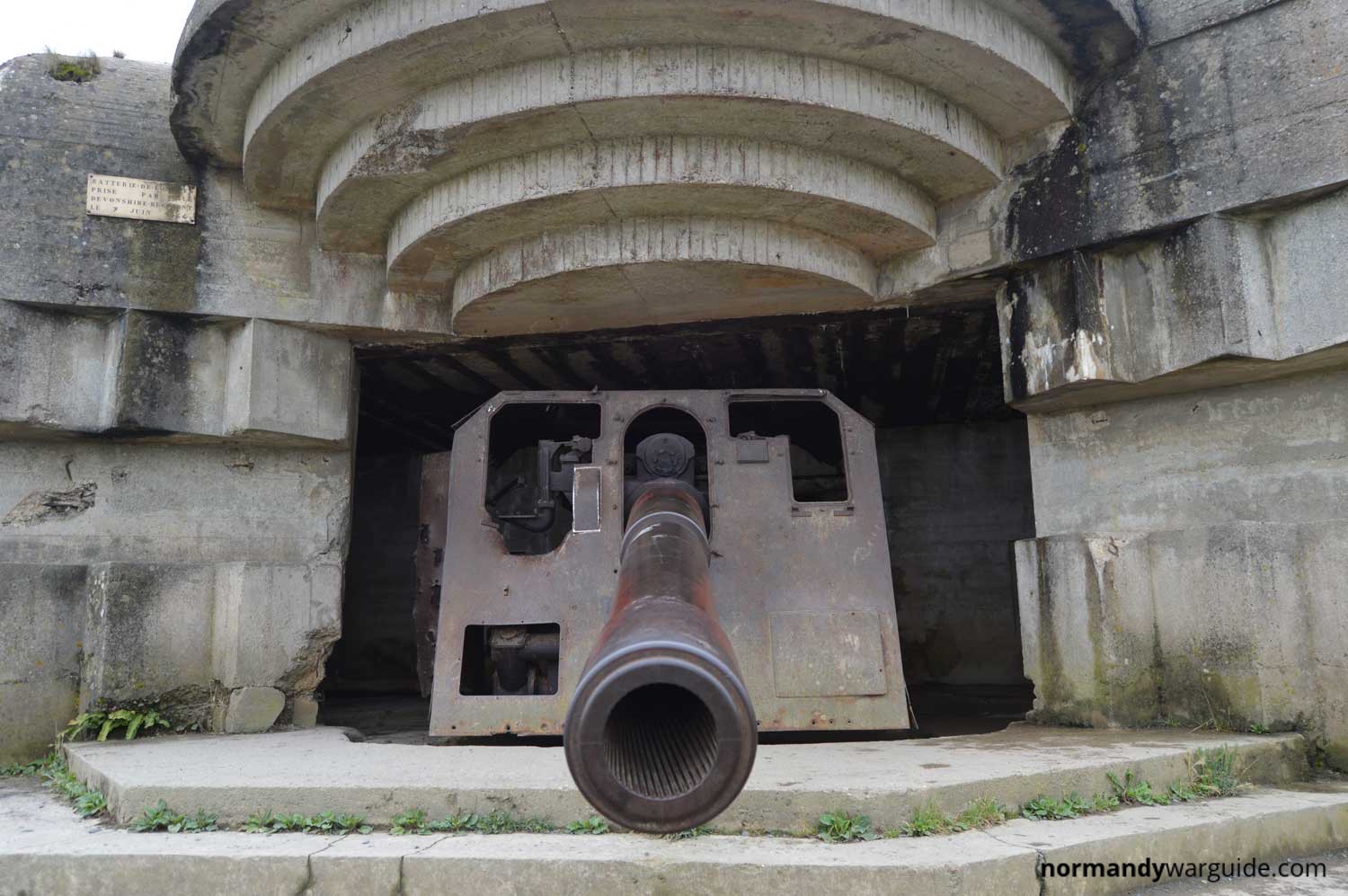
Longues-sur-Mer Battery with Original WW2 Guns
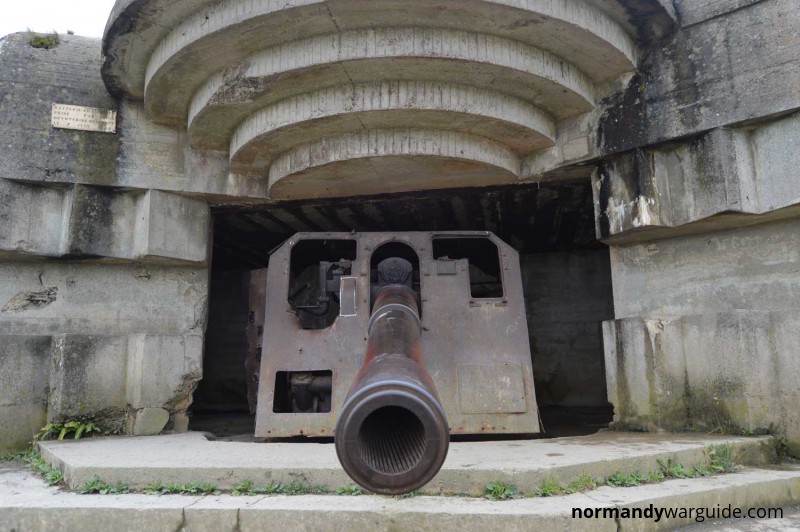
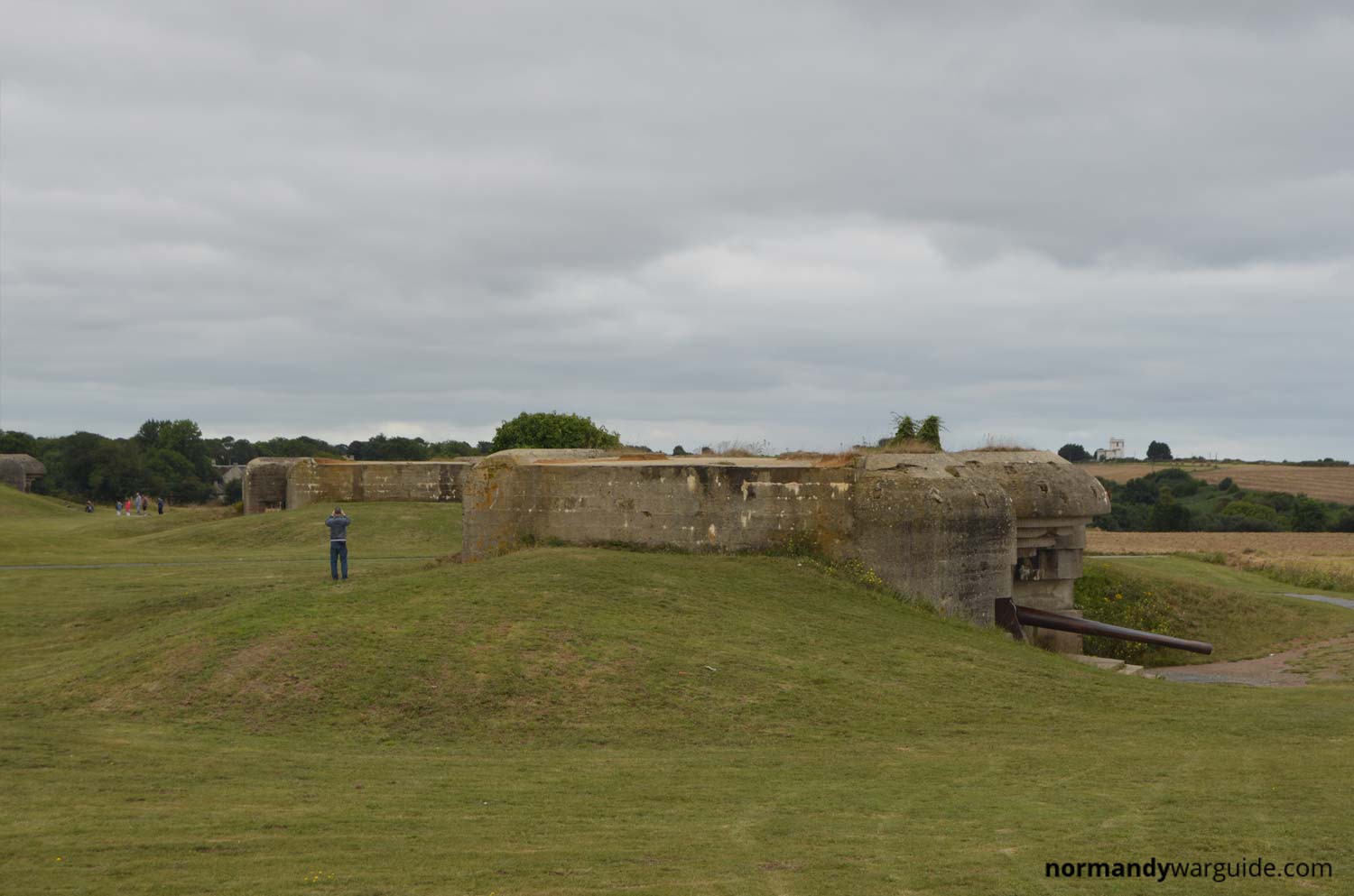
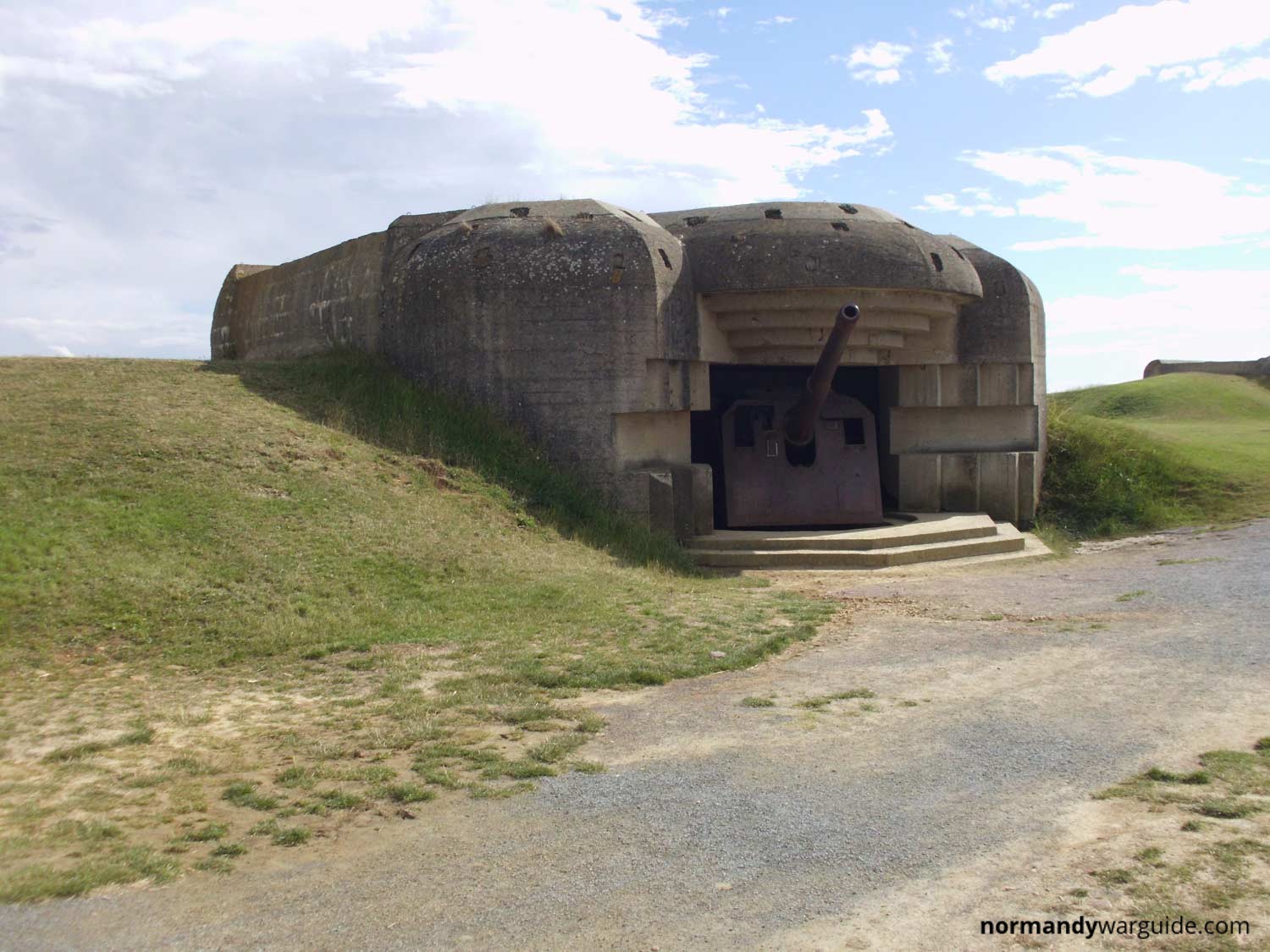
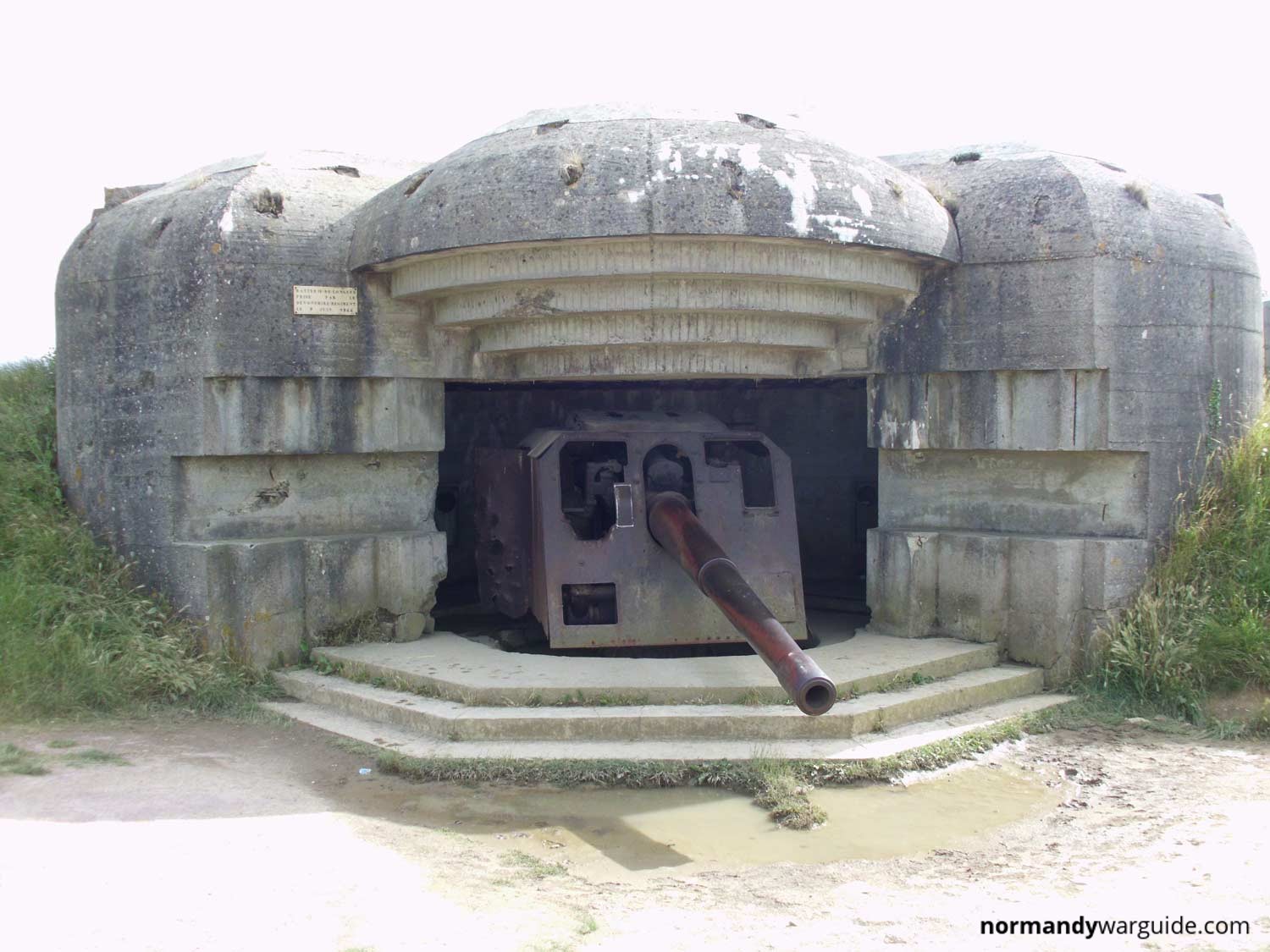
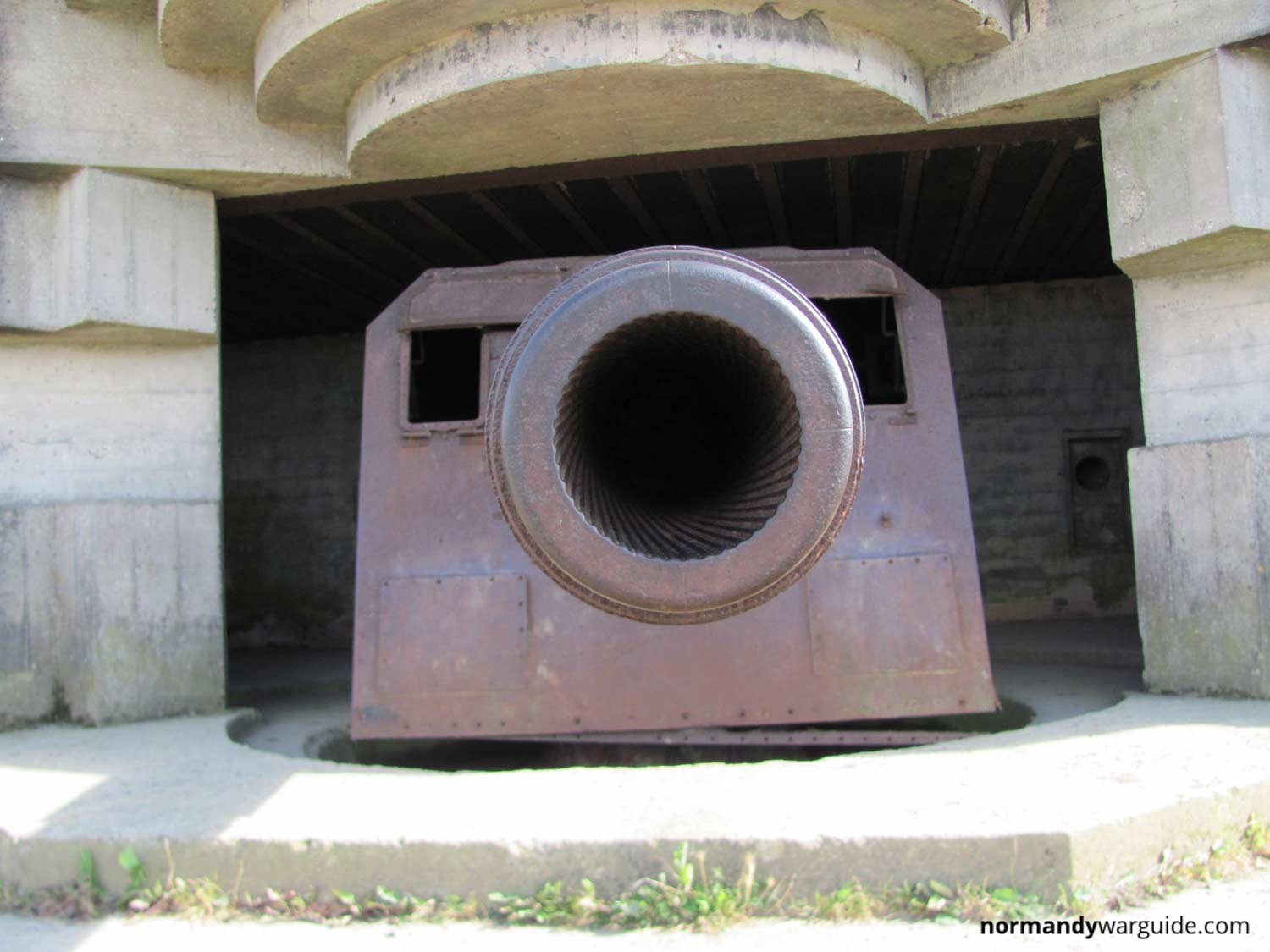
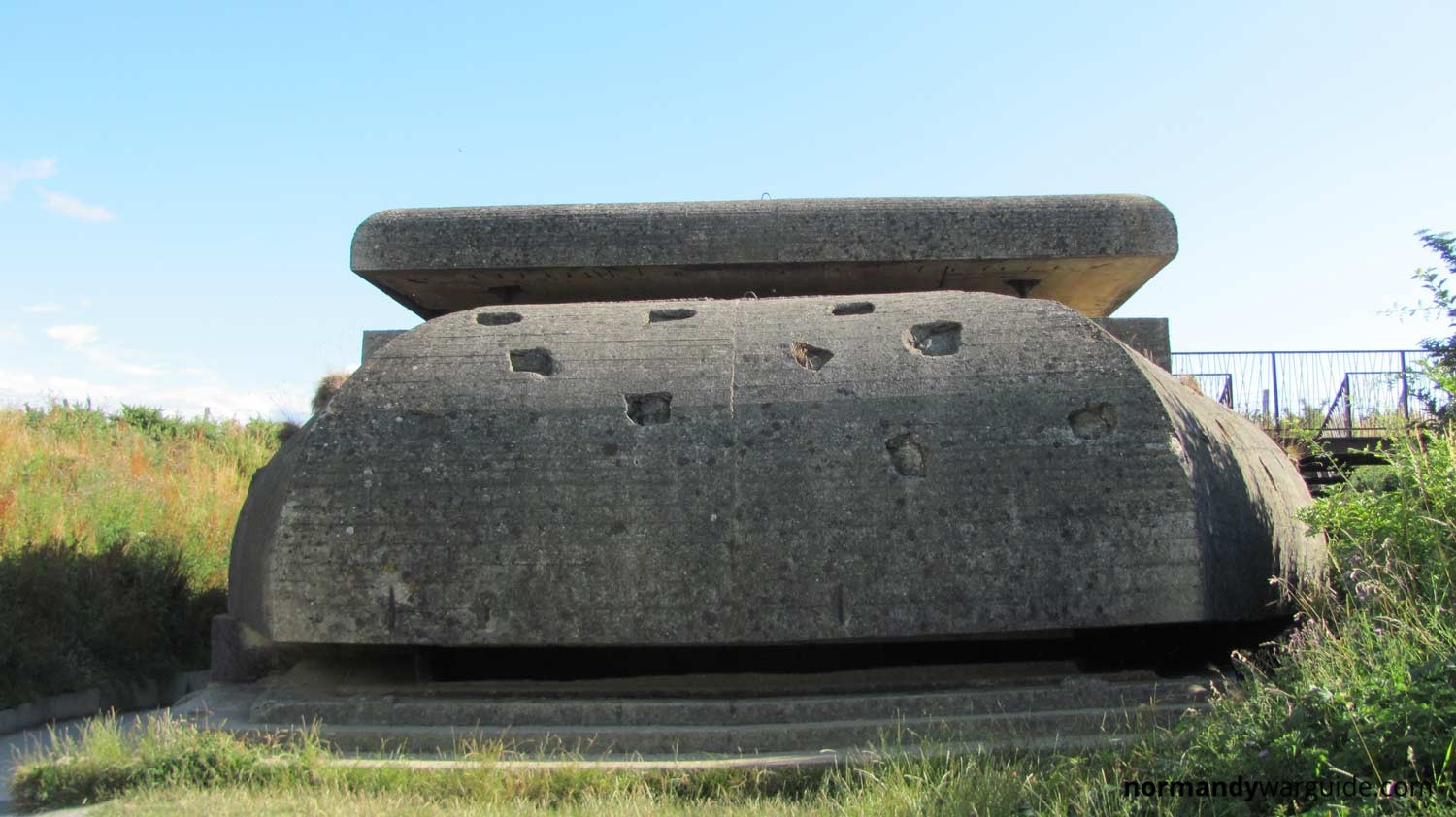
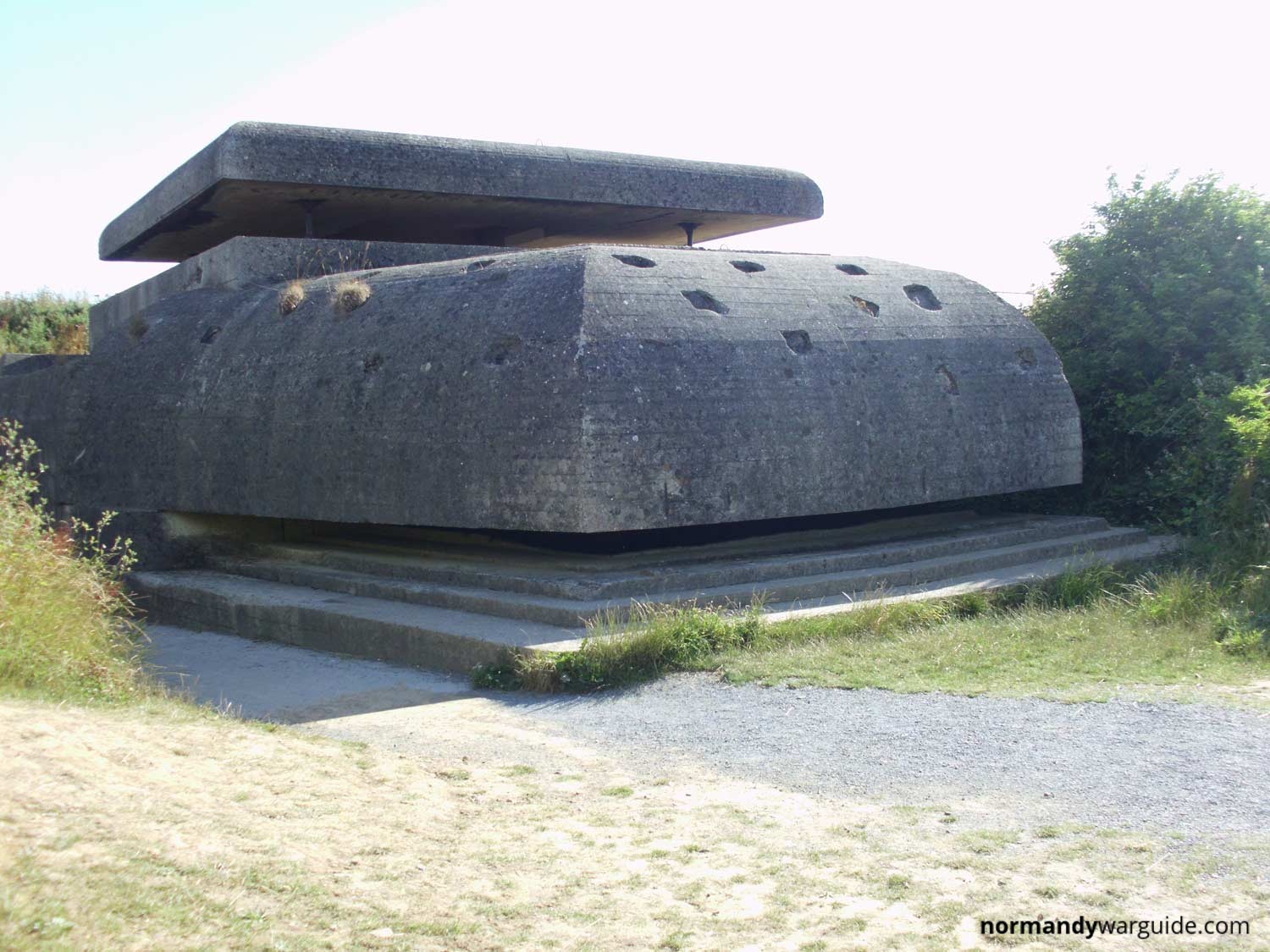
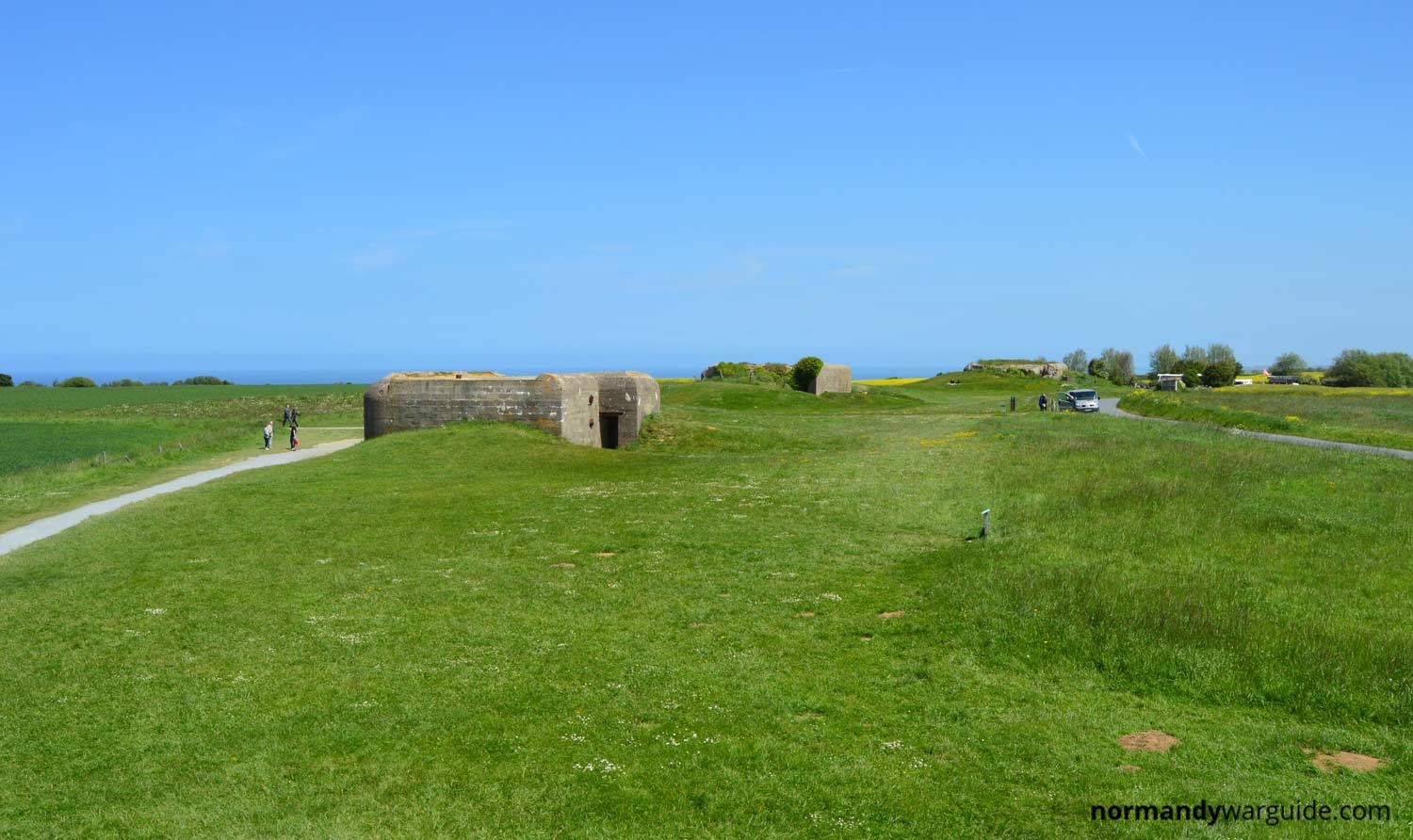
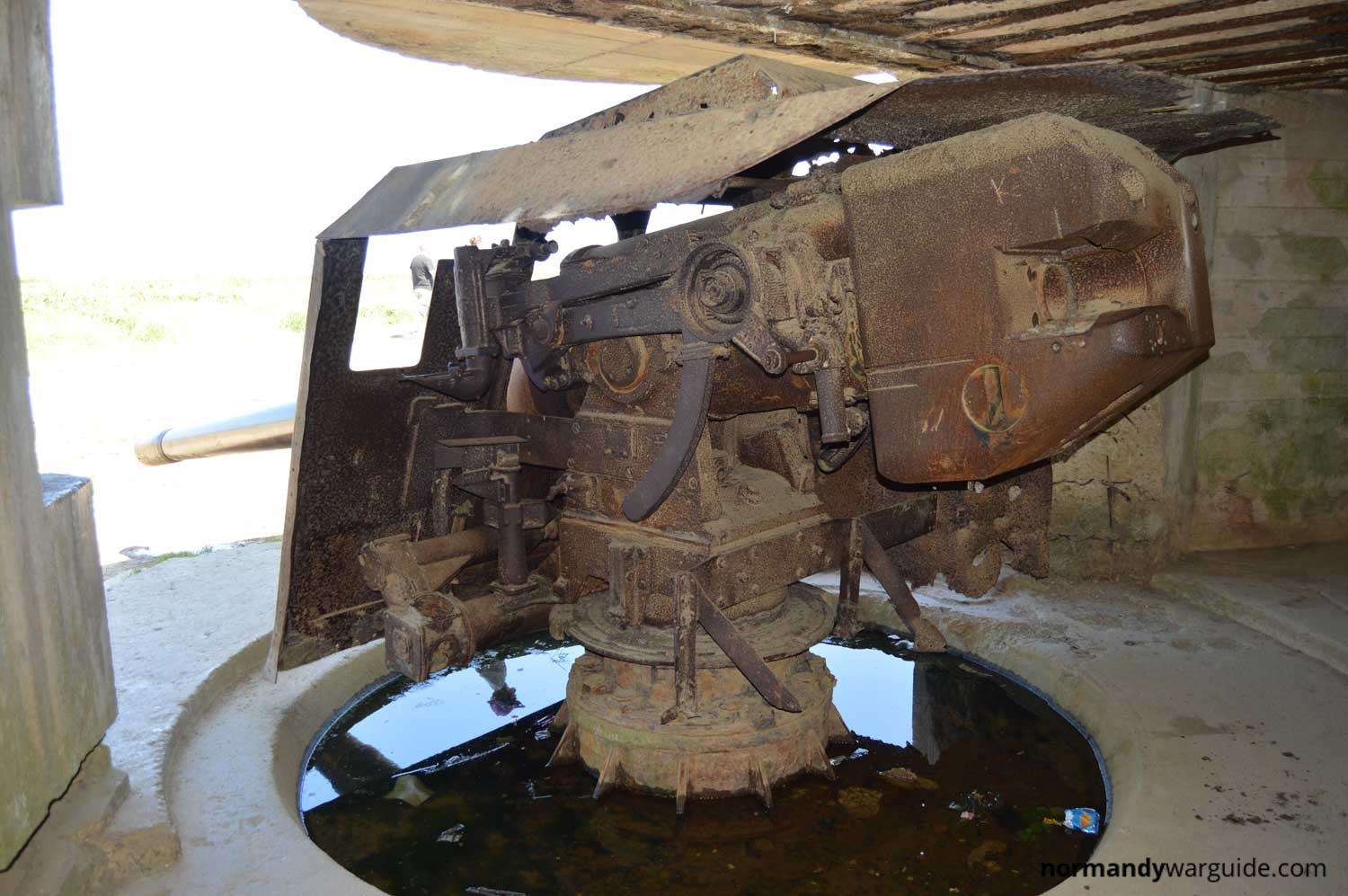
The Longues-sur-Mer Battery (also known as Batterie Allemande) was part of Hitlers Atlantic Wall defences consisting of four rapid firing 152mm navy guns, each housed in large concrete casemates. The site of the battery also included a fire control post, ammunition stores, defensive machine gun posts and accommodation for the soldiers.
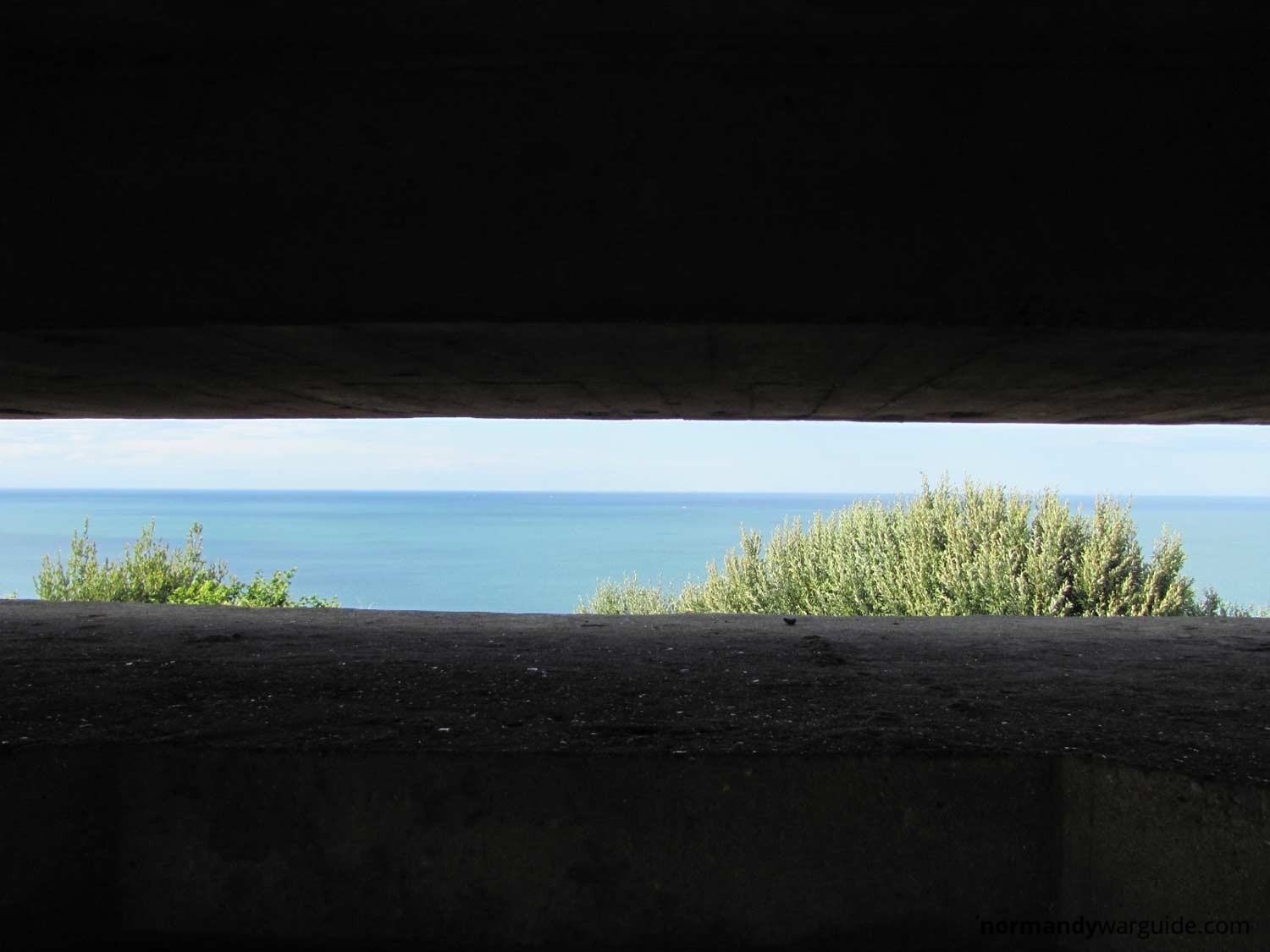
Located between Omaha and Gold Beach the battery posed a threat to the Allied forces landing on the beaches and the naval forces in the area.
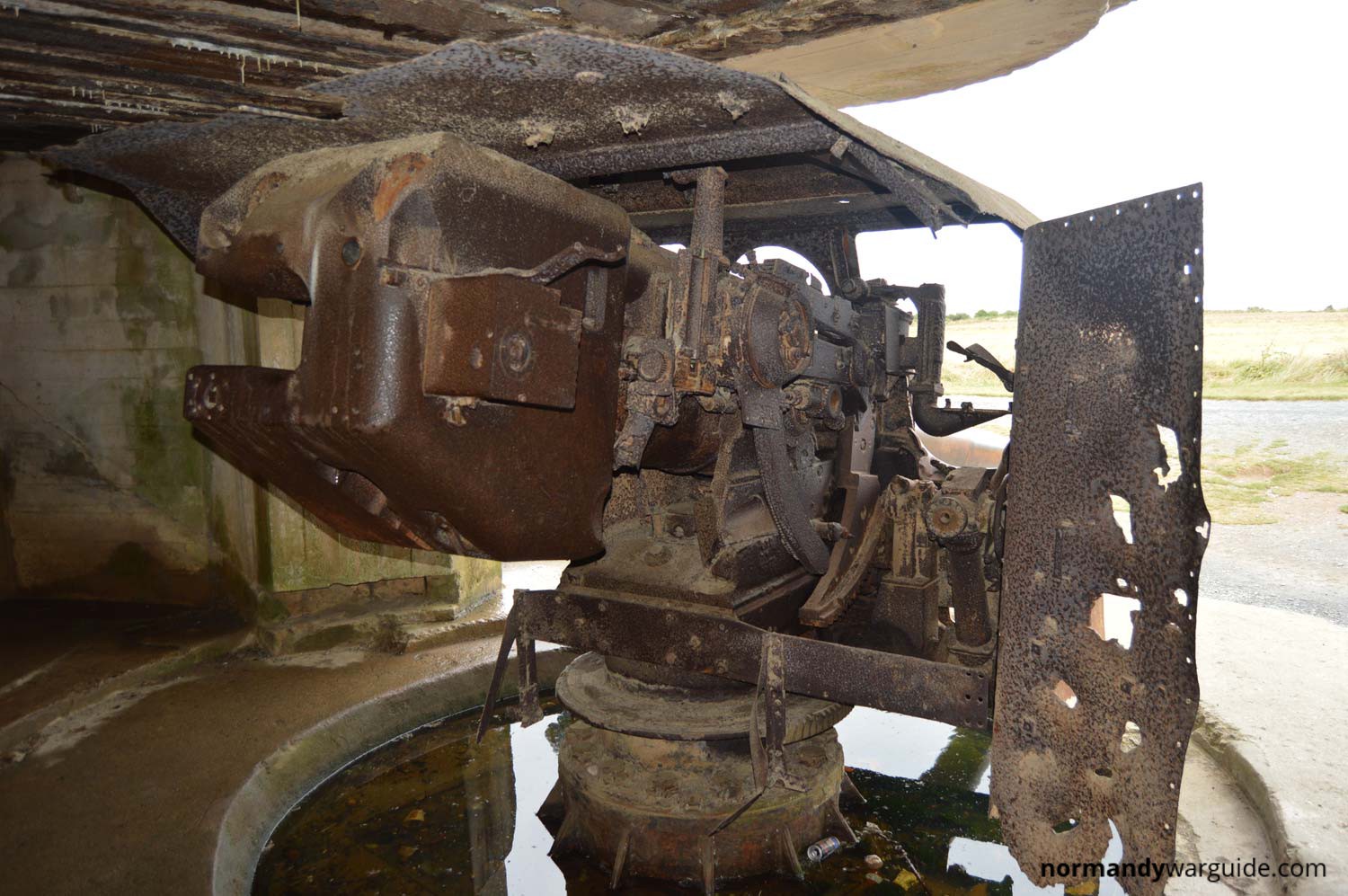
Because of this, the area was heavily bombed on the night before D-Day. This was followed by a naval bombardment in the morning. Although the bombing did not cause major damage to the guns it did destroy the phone line connecting the guns to the fire control bunker. This severely disrupted the batteries ability to engage with the Allied ships that eventually knocked the guns out of action during the duel in which no Allied ship was damaged despite the battery firing 170 rounds.
On the morning of the 7th June the remaining German forces of the battery surrendered to C Company of the 2nd Battalion Devonshire Regiment with minimal resistance. C Company suffered a single casualty Captain P.E.Clark, the Bn Mortar Officer, who was killed during the mopping up of the battery. His death is covered in the 2nd Battalion Devonshire Regiment June 1944 War Diary.
The site of the battery is open to the public all year round including access inside the concrete casemates which still house their original guns and inside the fire control bunker which was featured in the film the Longest Day. The site has a tourist information centre and a hut that serves food and drink although the opening times for these may be seasonal.